
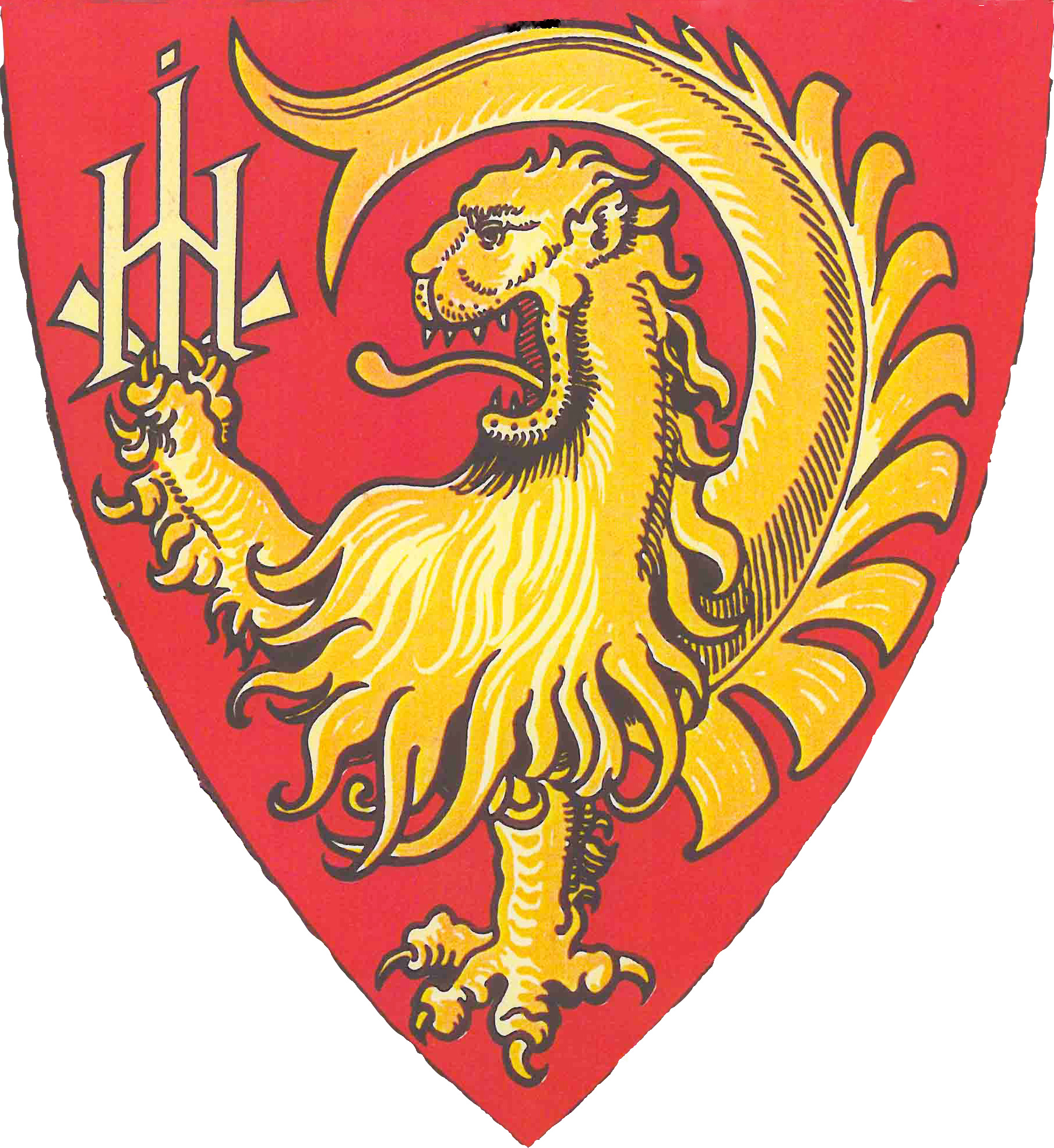
The Imhoff family’s American story begins in Frammersbach, a small village nestled in the Spessart forest of Bavaria, Germany, where Caspar Imhoff was born around 1792. The surname itself speaks to the family’s deep agrarian roots, derived from the German im Hof, meaning “at the farmstead” or “in the courtyard,” it identified families bound to the land and the enclosed homesteads that defined rural German life for centuries. Frammersbach was a tight-knit community of craftsmen and farmers, and like so many such villages in the early nineteenth century, it sent its sons and daughters outward in search of a future that the old world could no longer guarantee. Economic hardship, limited land, and the political instability that swept central Europe in the 1840s pushed waves of German families toward the ports of Bremen and Hamburg and across the Atlantic to America. Caspar made that crossing and found his way to Oneida County in upstate New York, a region shaped by the Erie Canal and thick with German immigrant communities who brought their faith, their language, and their work ethic with them into a new land.
You can view the Imhoff page: HERE
It was in Utica, the industrial heart of Oneida County, that Joseph Imhoff planted the family’s American roots permanently. He married Louisa Gentz, a daughter of Saxony, Germany, born 21 February 1852, and together they built their household at 85 Erie Street, raising their children within the German Catholic community centered on St. Joseph’s Church. Joseph lived an extraordinary 87 years, dying 18 February 1937 at St. Elizabeth’s Hospital in Utica, long enough to see his family pass from immigrant newcomers to established Americans across multiple generations. Louisa, who had carried the memory of the old country across the ocean with her, died 18 December 1929 in Utica at age 77. Their son John Frederick Imhoff, born in 1881, grew up in this immigrant household and came of age in a Utica that was still very much a German American city, its parishes, fraternal societies, and neighborhoods shaped by the same migration that had brought his grandparents from Bavaria. John Frederick lived until 1962, his long life bridging the world of German immigrant Utica and the mid-twentieth century America his own children would inherit.
The third generation of the American line saw the family begin to move beyond the world John Frederick had known. His son Walter Imhoff, born 1914, came of age during the Great Depression and the Second World War, the defining events of his generation, and carried the family name forward into the postwar decades. Walter died in 1977 at age 63, leaving behind a son, Richard Imhoff, who had been born in 1935 and who would become the last of the Utica-era generation. Richard’s life spanned nearly nine decades of American history, from the Depression through two world wars, the boom years of postwar America, and into the twenty-first century. Richard passed in 2023 at the age of 88.
Today, that lineage fans outward into hundreds of families across America and beyond. The imhoff.us genealogical archive documents more than 1,200 individuals across 338 surnames, testament to the remarkable reach of the families who once called Frammersbach home and to the cumulative work of generations of researchers who refused to let those connections be forgotten. Among them, Frederick Ferdinand Imhoff (Father Maurice) laid an early documentary foundation through his meticulous priestly scholarship, Richard J. Imhoff (1935–2023), is also recognized for his commitment to preserving family memory. From the farmsteads of Frammersbach to the Erie Street households of Utica, from the working generations of John Frederick and Walter to the many descendants now scattered across states and centuries, the Imhoff story, and the stories of the dozens of intertwined surnames that share these roots, is one of migration, labor, faith, and an enduring instinct to remember, to ensure that the names, dates, and lives of those who came before are not swallowed by time.
This article was compiled from records in the imhoff.us genealogical database. If you have additional documentation, photographs, or research related to the Imhoff or connected surnames, contributions are welcomed through the Contact page.